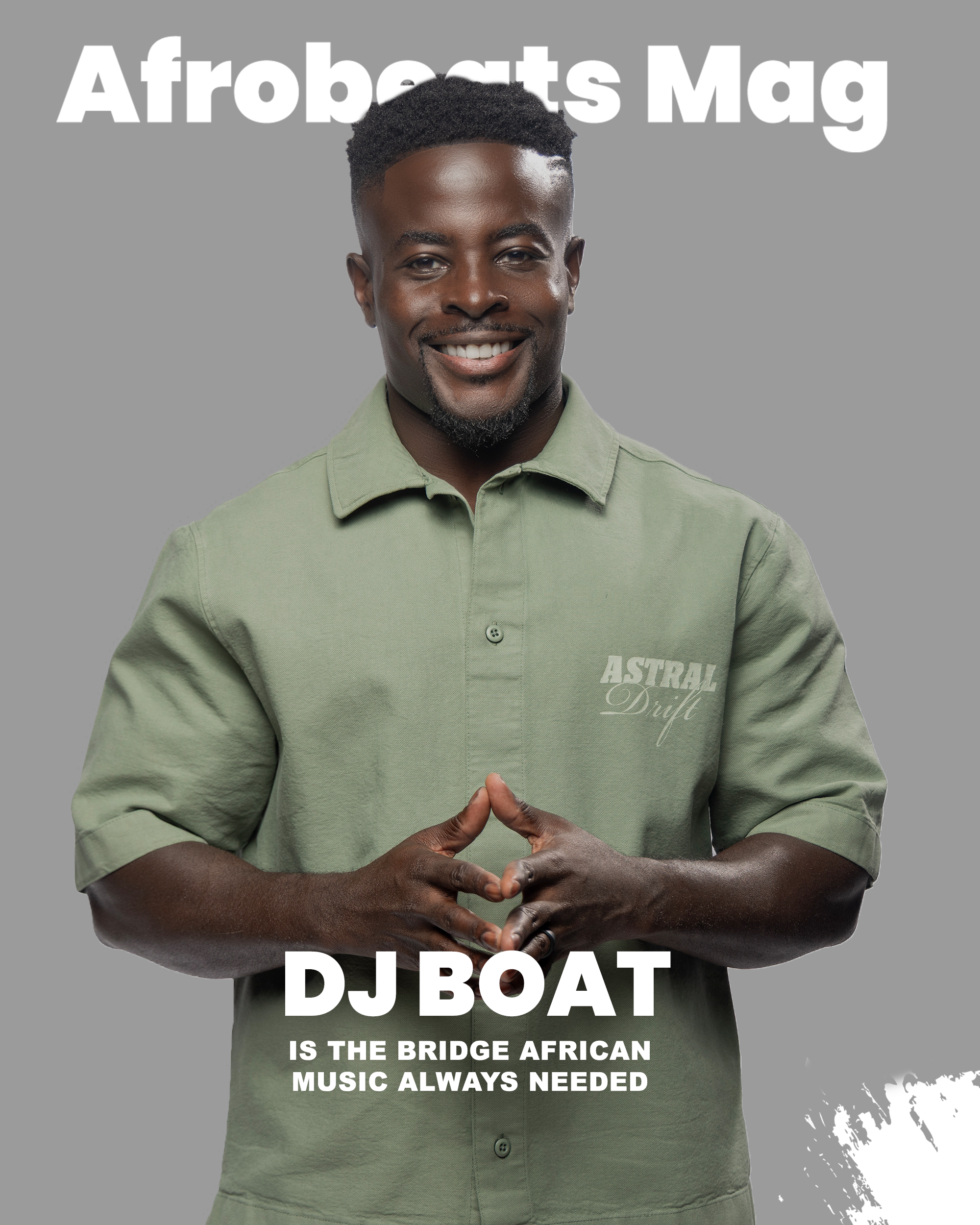
There is a particular kind of music obsessive who hears a great song and immediately wants everyone else to hear it too. Before the followers, the streams, and the festival stages, that was DJ Boat.
Born Boateng Agyei and raised in Eastern Ghana before moving to the South Bronx for high school, DJ Boat’s relationship with African music was shaped by distance as much as proximity. He grew up carrying the sounds of home with him, making mixtapes and passing them around to friends and classmates. The thrill was always in the discovery: finding something special, putting it in the right sequence and watching someone else catch the feeling.
Years later, that instinct would become a career.
At Cornell University, during the height of Ghana’s Azonto movement, DJ Boat found himself drawn back towards African music. He was DJing fraternity parties for fun and experimenting with Spotify at a time when the platform was still finding its way. What caught his attention was not just what was available, but what was missing.
African music was everywhere, but discovering it wasn’t always easy. There was no obvious digital roadmap for someone outside the continent who wanted to understand Afrobeats beyond the handful of songs already circulating internationally. DJ Boat saw the gap and did what a natural curator does: he started filling it himself.
He built an Afrobeats playlist.

The idea was almost disarmingly simple. Take the songs people should be hearing and put them in one place. But simplicity can be powerful when it arrives at exactly the right moment. The playlist grew, and grew, eventually becoming part of a wider ecosystem with more than one million followers collectively.
Suddenly, the guy making playlists had become someone helping determine what people listened to next.
But DJ Boat was never particularly interested in staying inside one box. Curation led to YouTube. YouTube led to production. Production led to collaborations with artists across Africa and beyond. Somewhere along the way, DJ Boat stopped simply pointing audiences towards African music and started making the music himself.
The numbers tell their own story. His collaborative releases have generated more than 42 million combined streams, with artists including Victony appearing across his catalogue. There is the “Global Party” EP, the “Dapper Diaries” album with Ghetto Boy, and tracks such as “Pepper” with Ghetto Boy and Afrisounds.
Then there are the mixes. Across Afrobeats, Amapiano and other sounds, DJ Boat’s mixes have accumulated hundreds of millions of views. His combined YouTube audience is approaching two million subscribers, while his wider catalogue is closing in on a quarter of a billion views. His playlists have also amassed approximately 1.5 million saves.
Those numbers are impressive, but they are perhaps less interesting than what sits underneath them.
DJ Boat understands that discovery is part of culture. A playlist can introduce an artist. A YouTube mix can make a song travel. A collaboration can connect two audiences that might never have met otherwise. Put enough of those moments together, and you begin to create something bigger than a catalogue. You create a bridge.
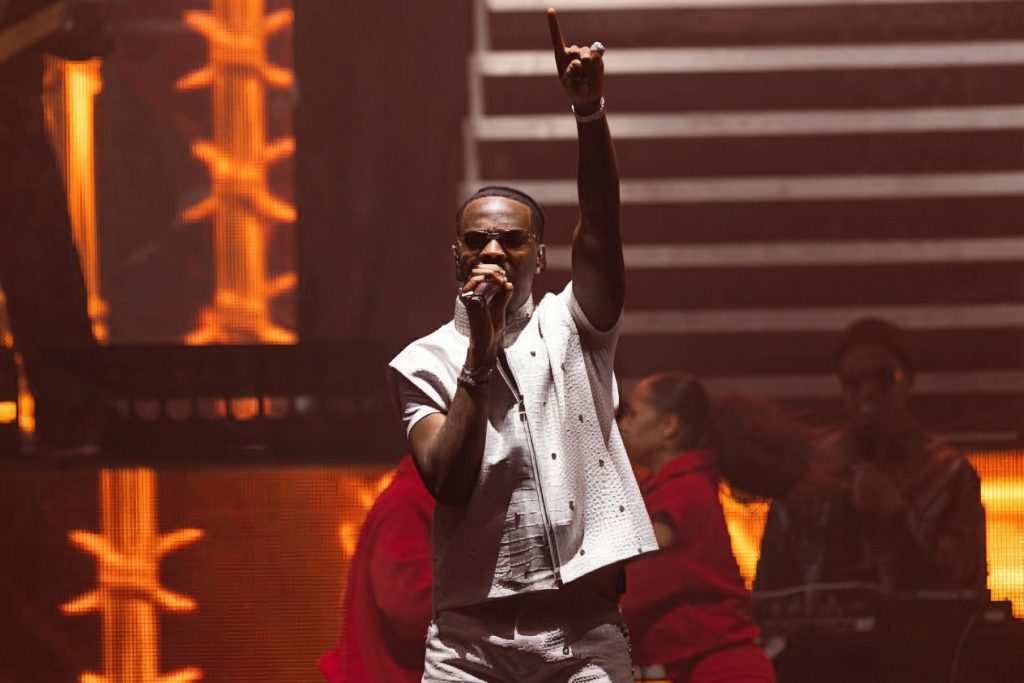
That idea has followed DJ Boat from the South Bronx to international festival stages, including Lightning in a Bottle, where he has performed for crowds approaching 30,000 people. His career has expanded dramatically, but the original instinct remains intact: African music should be heard, understood and experienced far beyond the places where it was made.

His mission is straightforward: use African music to change perceptions about Africa.
It is a line that could easily sound like a slogan. In DJ Boat’s case, it feels more like a summary of the work.
Because there is something quietly significant about what he has built. African music has never lacked creativity, artists or audiences. What has often been missing is the connective tissue between those things and the listener on the other side of the world.
DJ Boat has spent years building that connective tissue.
The “We Global Oh!” philosophy captures it perfectly. It is less about positioning himself as the star of the story and more about creating movement around the music. Artists, songs, cultures and audiences are constantly crossing paths through his work.
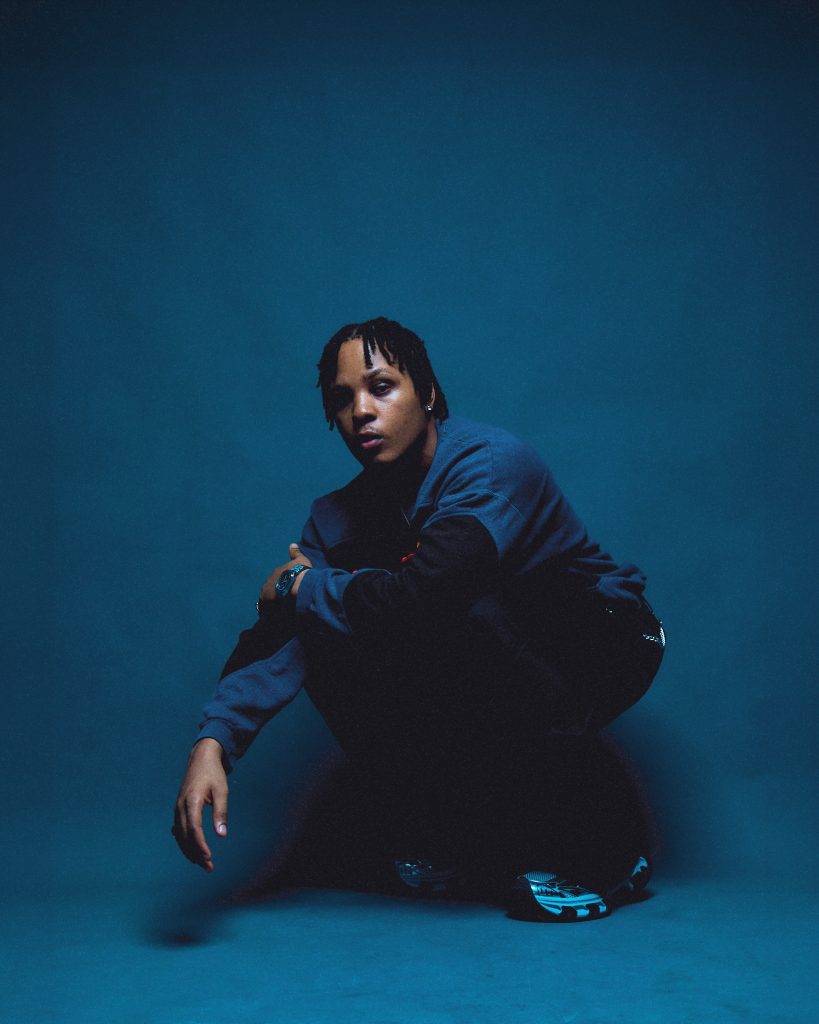
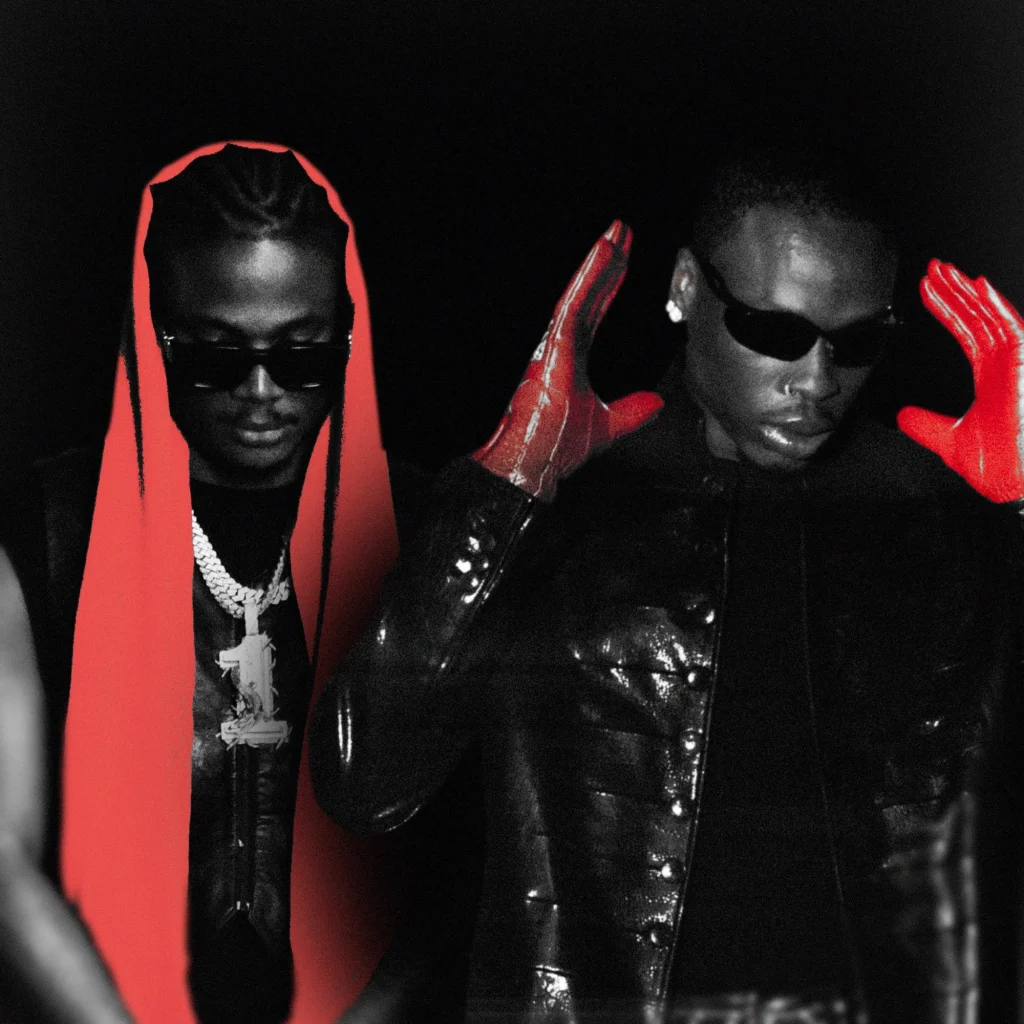
His recent collaboration with Ghanaian singer Olivetheboy on “Lonely World” continues that approach. Here, DJ Boat is not simply curating Ghanaian talent for a global audience. He is actively participating in the sound, bringing his production instincts and international perspective into the record.
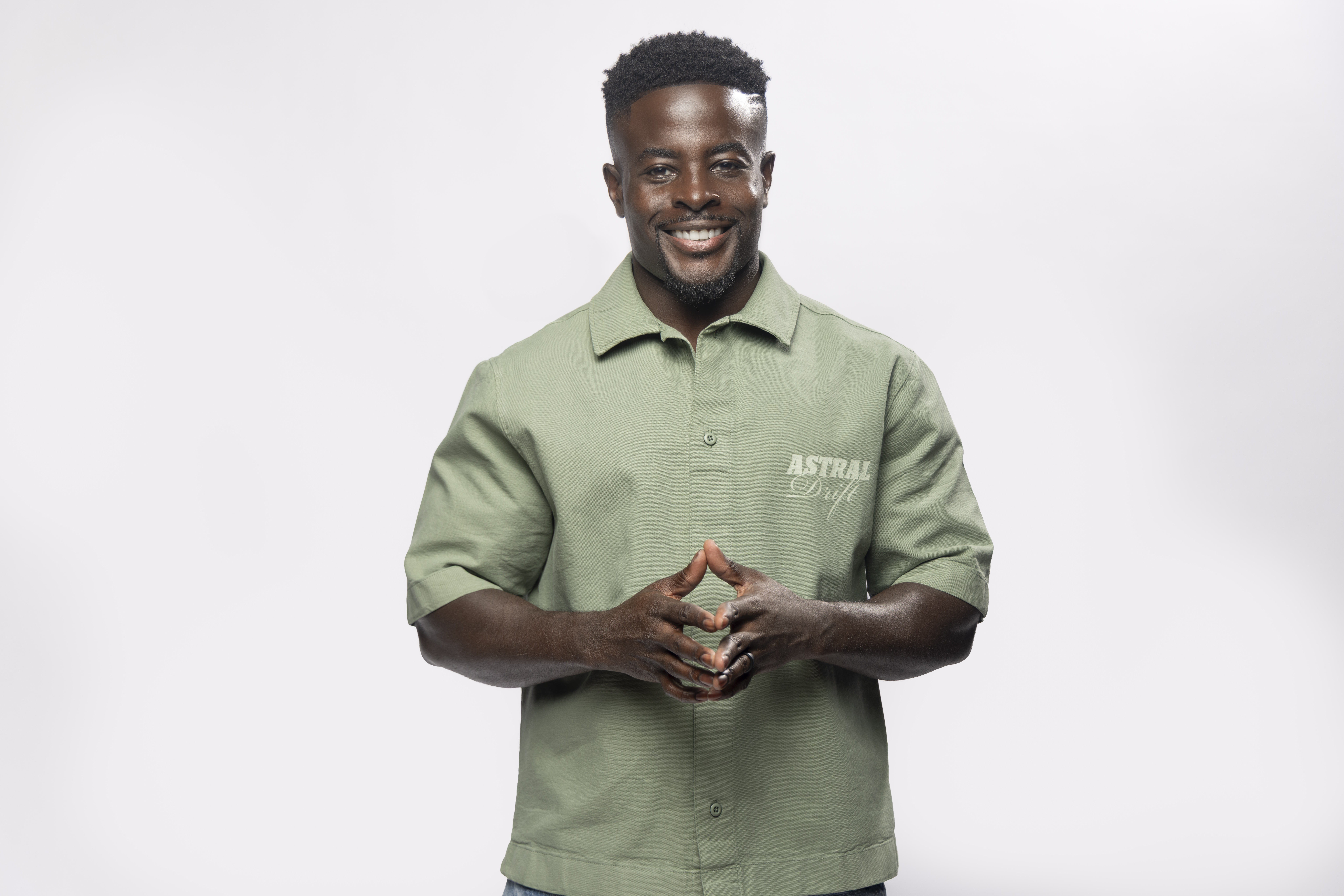
The modern African music ecosystem needs people who can do more than make noise around an artist. It needs connectors who understand the culture, the platforms and the audience. DJ Boat has spent much of his career becoming exactly that.
From mixtapes passed around school corridors to playlists followed by millions, the journey has been remarkably consistent. Find the music. Make people care. Take it further. DJ Boat’s story is ultimately a story about discovery, but also about access. He saw African music becoming increasingly impossible to ignore and recognised that the world needed better ways to find it. So he built one.
DJ Boat is the kind of tastemaker African music needs in a global era