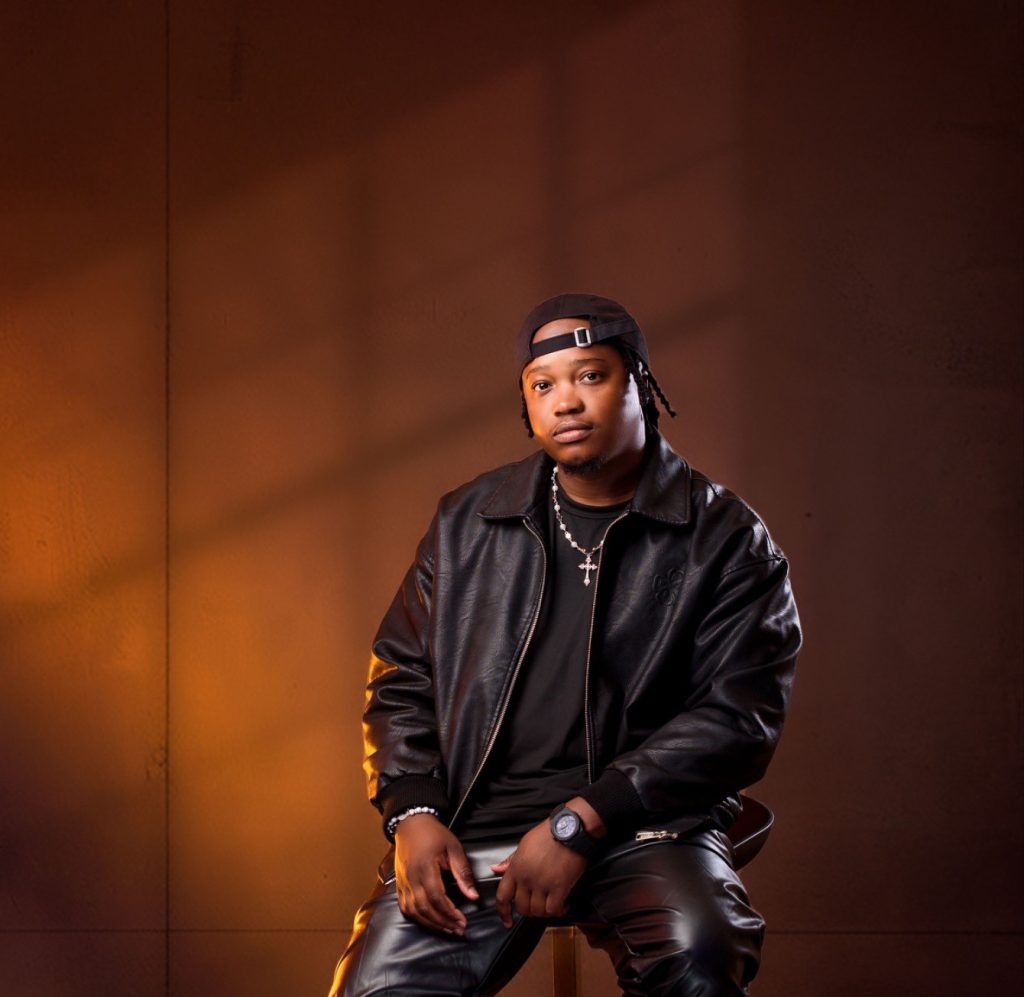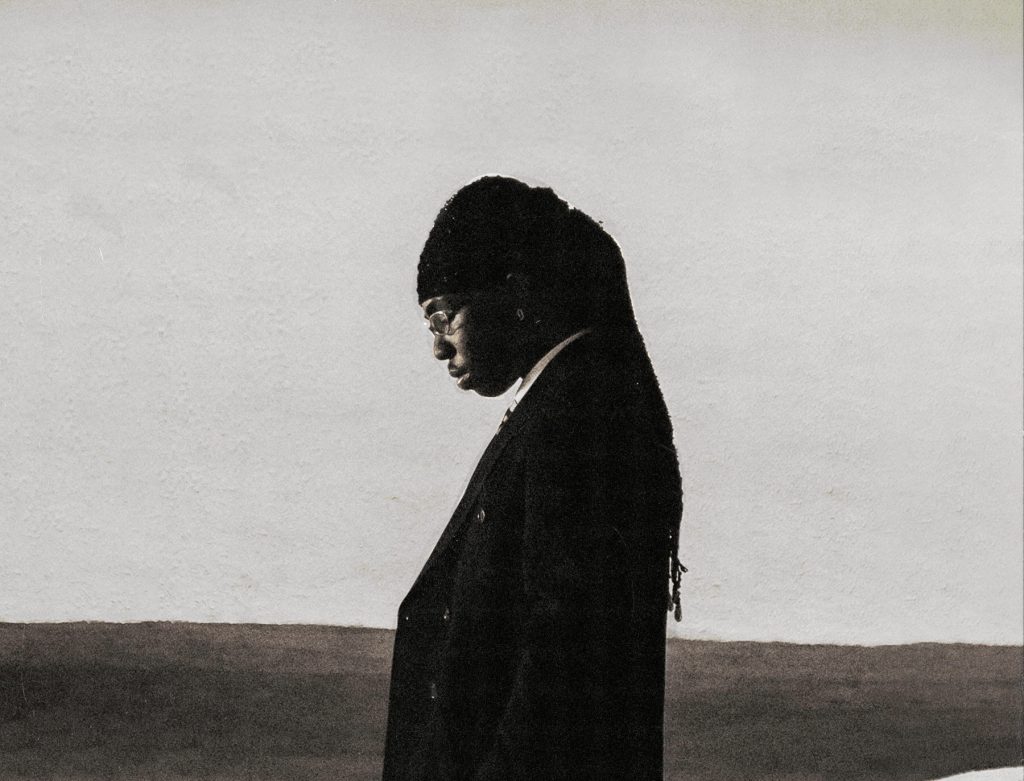



South African jazz pianist and composer Bokani Dyer is embracing the sounds of the past while exploring new creative possibilities with the release of his latest album, Traditions. Out October 1, 2026, the project is a deeply personal reflection on musical heritage, cultural exchange, and the influence of generations of musicians who have shaped his artistic identity.
Recorded alongside longtime collaborators Timothy Norton on bass and Lumanyano Mzi on drums, Traditions finds Dyer revisiting compositions from different cultures and musical eras, giving them fresh interpretations through the intimate setting of a piano trio.
Growing up in a music-filled household, Dyer’s relationship with tradition is closely connected to his family background. As the son of celebrated jazz musician Steve Dyer, he inherited an appreciation for African musical heritage, humanity, and the philosophy of Ubuntu. These influences form the foundation of the new album, as he considers the sounds that shaped him and how they can be carried into contemporary musical spaces.
In a notable shift from his previous releases, the majority of Traditions consists of cover compositions. However, Dyer approaches the material with more than a desire to recreate familiar recordings. Instead, he looks for ways to respect the original works while introducing his own musical perspective.
That creative philosophy comes into focus on the album’s focus track, “African Piano: Inxembula.” Originally a traditional Xhosa folk song famously recorded by legendary uhadi musician Nofinishi Dywili and the Ngqoko Women’s Ensemble, “Inxembula” translates to “the ugly one” and was also adopted as a struggle song during apartheid.
Dyer revisits the composition through a new arrangement featuring piano, bass, flute, and drums, bringing an important piece of cultural and musical history into a different setting. The reinterpretation connects the song’s historical significance with contemporary jazz, allowing its story to reach another generation.
The album was first introduced through the lead single “Thembisa,” featuring emerging vocalist Phoebe Mgxaji. The song reimagines a composition from Andile Yenana’s influential album We Used To Dance, creating a musical connection between established South African jazz voices and a younger generation of performers. Mgxaji’s vocals add another dimension to the trio’s interpretation, maintaining the spirit of the original while giving it a fresh identity.
Beyond the music itself, collaboration plays an important role throughout Traditions. Dyer brings together musicians with different backgrounds and creative instincts, allowing their individual contributions to shape the album’s overall direction. The result is a project that celebrates musical inheritance without treating tradition as something that should remain unchanged.
The release arrives during an impressive period for Dyer. His contribution to the 2025 film Sabbatical earned him a South African Film and Television Award for Best Achievement in Song, while Seven, an album he produced, received the Best Adult Contemporary Album award at the 2025 South African Music Awards.
His international profile has also continued to expand, with a United States trio tour in June featuring performances at respected jazz venues including Dizzy’s Jazz Club, Chris’ Jazz Café, Keystone Korner and Smalls Jazz Club. Closer to home, he joined British flautist Gareth Lockrane at the inaugural Montreux Jazz Festival in South Africa for Home at Last, a tribute to legendary South African pianist Bheki Mseleku. The project subsequently travelled to Johannesburg, Durban and Cape Town, introducing audiences to previously unreleased material from Mseleku’s catalogue.
With additional performances scheduled at the DC Jazz Festival, The Bird’s Eye Jazz Club and the Melbourne Jazz Festival, Dyer continues to take South African jazz to international audiences.
Ultimately, Traditions is a thoughtful exploration of where music comes from and how it continues to evolve. By revisiting compositions that carry cultural and historical significance while introducing his own interpretations, Bokani Dyer creates a meeting point between generations, celebrating the musicians who came before him while making room for those shaping the future.