



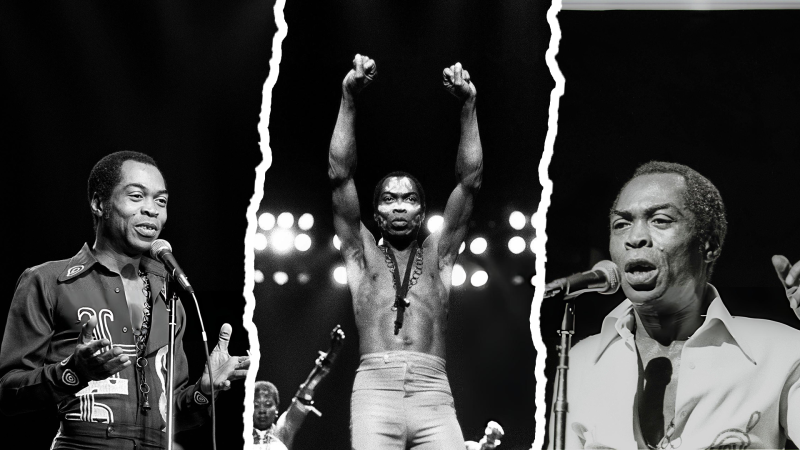
Fela Anikulapo Kuti was a man who refused to be a footnote in history, choosing instead to become the very ink with which the narrative of modern African defiance is written. Born into a family of intellectual heavyweights, his mother a pioneering feminist, his father a disciplined educator, Fela was never destined for a quiet life. From the jazz clubs of London’s Trinity College of Music to the Highlife circuits of Lagos with his first band, Koola Lobitos, Fela’s early years were a prelude to revolution. But it was his transformative encounter with the Black Power movement in the United States in 1969 that stripped away the veneer of “entertainer” and revealed the “Abami Eda”—the strange one. Influenced by activist Sandra Izsadore, he returned to Nigeria not just with a new sound, but with a mission: to decolonize the African mind through the hypnotic, jagged, and relentless rhythms of Afrobeat.
Afrobeat was a sonic middle finger to the status quo. Unlike the three-minute radio edits of the West, Fela’s compositions were sprawling epics, often occupying entire sides of a vinyl record. Built on the polyrhythmic genius of drummer Tony Allen, whose “four-on-the-floor” grooves felt both ancient and futuristic, Fela layered aggressive horn sections with biting lyrics delivered in Nigerian Pidgin. By choosing Pidgin over “Queen’s English,” he bypassed the elite and spoke directly to the African masses, turning the dance floor of his legendary Afrika Shrine into a classroom for political consciousness. The Shrine became a spiritual and political sanctuary, hosting “Yabis” nights where Fela openly mocked the incompetence of Nigeria’s military juntas.
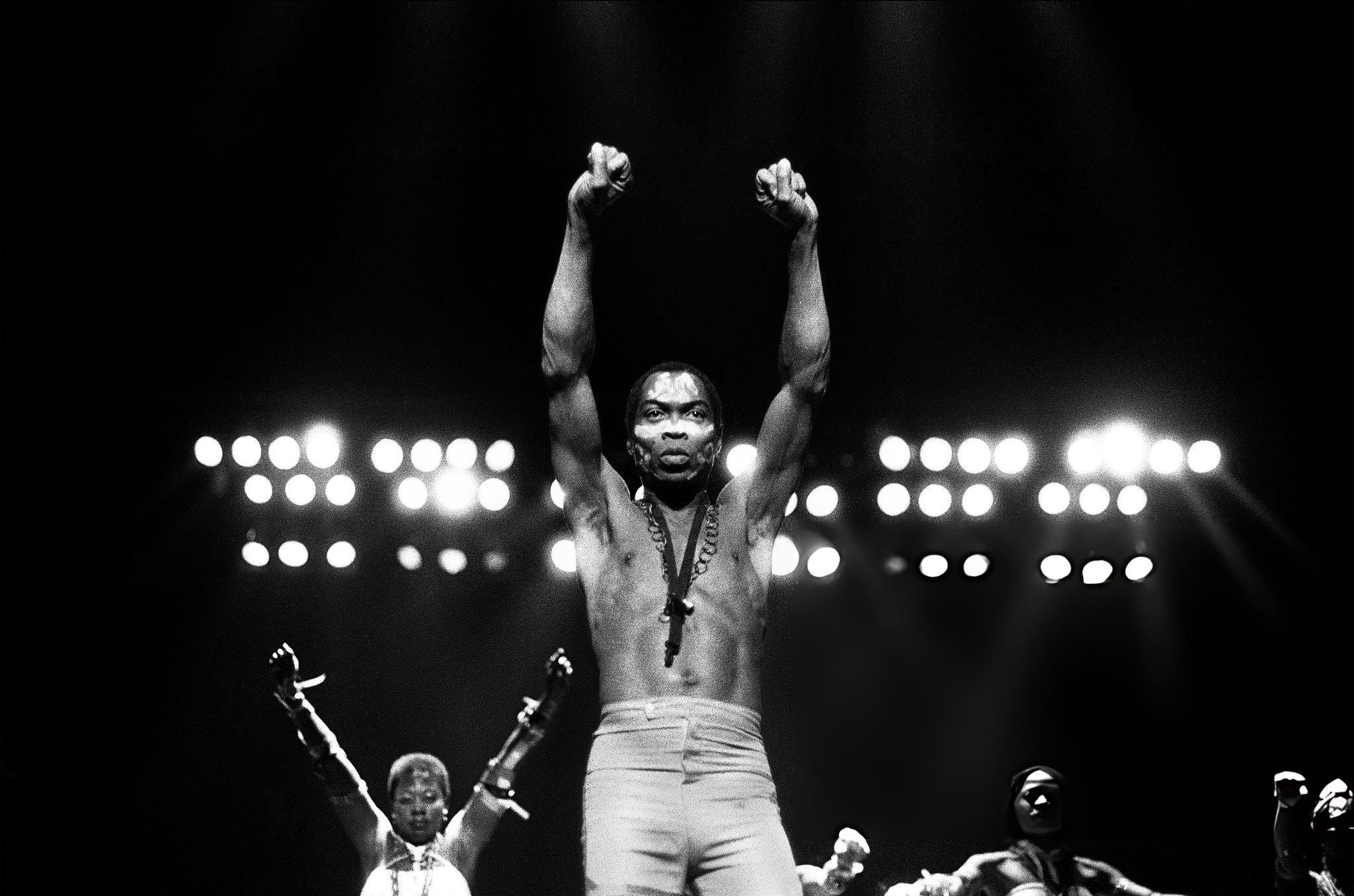
Fela’s life at the Kalakuta Republic was a living manifestation of his music. Declaring his compound an independent state, he created a sanctuary for the displaced and a target for the state. The 1977 raid, in which a thousand soldiers brutalized his followers and destroyed his home, remains one of Nigeria’s darkest cultural chapters. Yet Fela’s response was defiant: he marched a coffin to the seat of power and recorded “Unknown Soldier,” proving that while you could burn a house, you could not incinerate an idea. Arrested over 200 times, he remained the “Black President,” a title given by those who saw him as their true representative.
The evolution from Fela’s Afrobeat to today’s Afrobeats is a story of preservation and transformation. While the modern sound trades twenty-minute live orchestral improvisations for sleek, digital production and global pop hooks, the DNA remains unmistakably Fela’s. The current dominance of the “Big 3”—Burna Boy, Wizkid, and Davido—is the fruit of the seeds Fela planted in the red dust of Lagos decades ago. Burna Boy, whose grandfather Benson Idonije was Fela’s first manager, carries the most direct ideological lineage, using Fela’s samples, stagecraft, and Pan-African rhetoric to conquer global arenas. Wizkid channels the rhythmic fluidity and effortless melodic phrasing that Fela pioneered, while Davido embodies the communal, celebratory spirit of Afrobeat, bridging heritage and contemporary pop sensibilities.
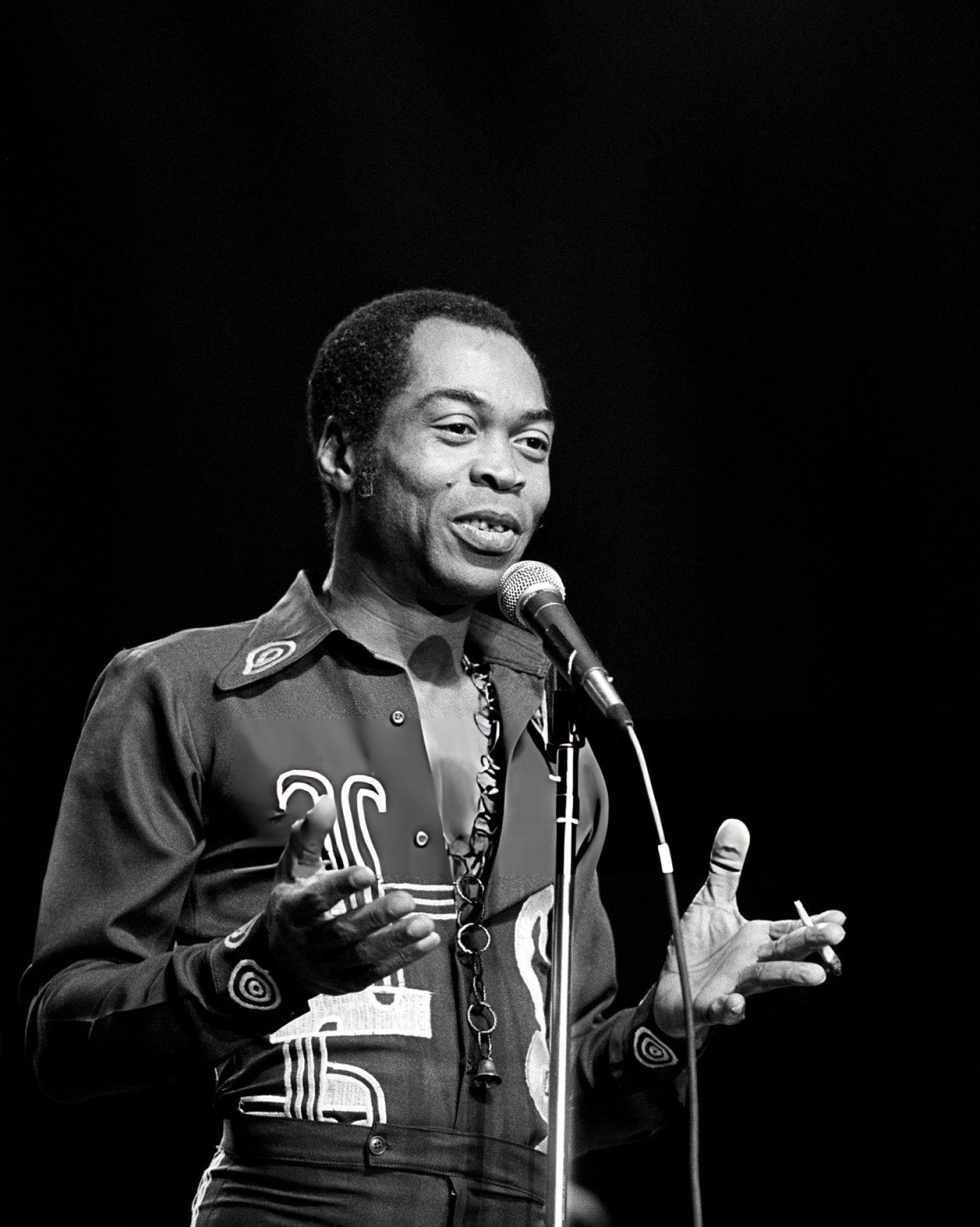
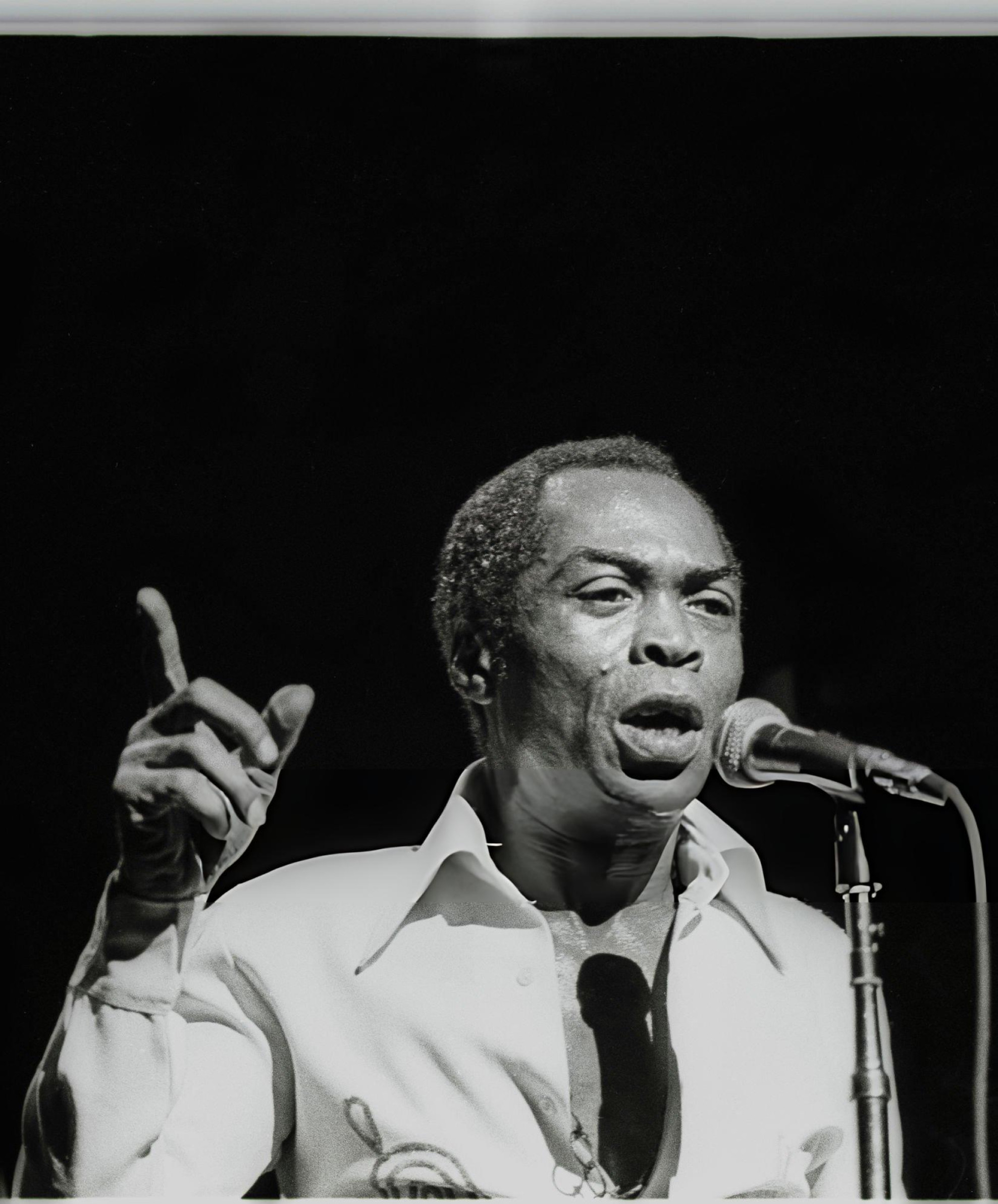
As 2026 unfolds, including the milestone of Fela’s posthumous Grammy Lifetime Achievement Award, his influence stands taller than ever. He didn’t just invent a genre; he gave Africa a voice that refuses to be silenced. From the smoke-filled rooms of the Shrine to the top of global charts, Fela’s vision continues to resonate. Modern Afrobeats may have evolved, but every hit, every infectious rhythm, carries the pulse of the Black President—grinning, saxophone in hand, watching as his legacy shapes the sound of a continent for generations to come.